

Introduction: End-Stage Renal Disease (ESRD) represents the irreversible loss of kidney function in which the kidneys can no longer sustain life without renal replacement therapy such as dialysis or kidney transplantation (1). Clinically, ESRD is characterized by a persistently severely reduced glomerular filtration rate (GFR) typically below 10 mL
5 Reached

ACC, AHA and ESC Recommendations for Heart Failure Management
2323 Reached29 Comments2 Likes

Catheter Ablation for Atrial Fibrillation with HF
691 Reached
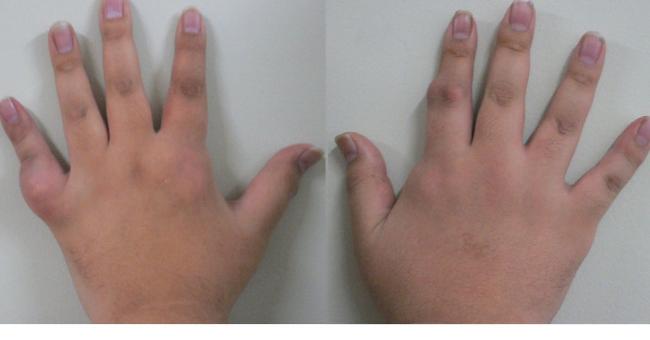
Male Complaining of Bilateral Knee Pain and Gait Disturbance
840 Reached5 Comments1 Likes

FOURIER Trial: Efficacy of Evolocumab in Managing Cardiovascular Events
563 Reached3 Comments

Study evaluating Effectiveness of Bacillus clausii for Treatment of Rotavirus Infection
1303 Reached4 Comments6 Likes