

Introduction Aplastic anemia is a condition where the immune system attacks bone marrow, causing low blood cell counts and leading to fatigue, infections, and bleeding risks. For young patients with Human Leukocyte Antigen (HLA)-matched donors, allogeneic Hematopoietic Stem Cell Transplantation (HSCT) is preferred, while Immunosuppressive Therapy (

Pancytopenia, a rare presentation of hyperthyroidism
832 Reached2 Comments
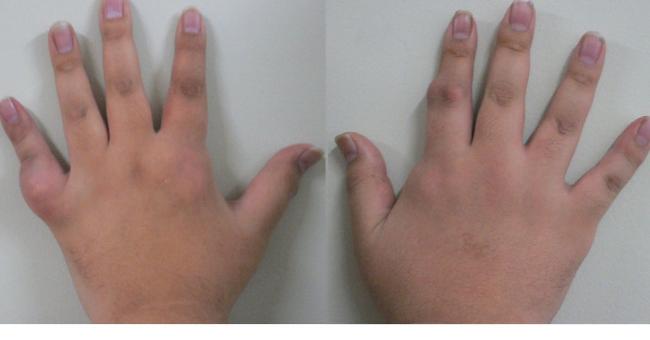
Male Complaining of Bilateral Knee Pain and Gait Disturbance
840 Reached5 Comments1 Likes

Woman with Persistent Lyme Disease
57 Reached

Efficacy of MP-AzeFlu Against Futicasone Propionate for the Treatment of Allergic Rhinitis in Children
9612 Reached13 Comments4 Likes

Baby Presenting with Anaphylaxis to a Banana
2393 Reached15 Comments3 Likes